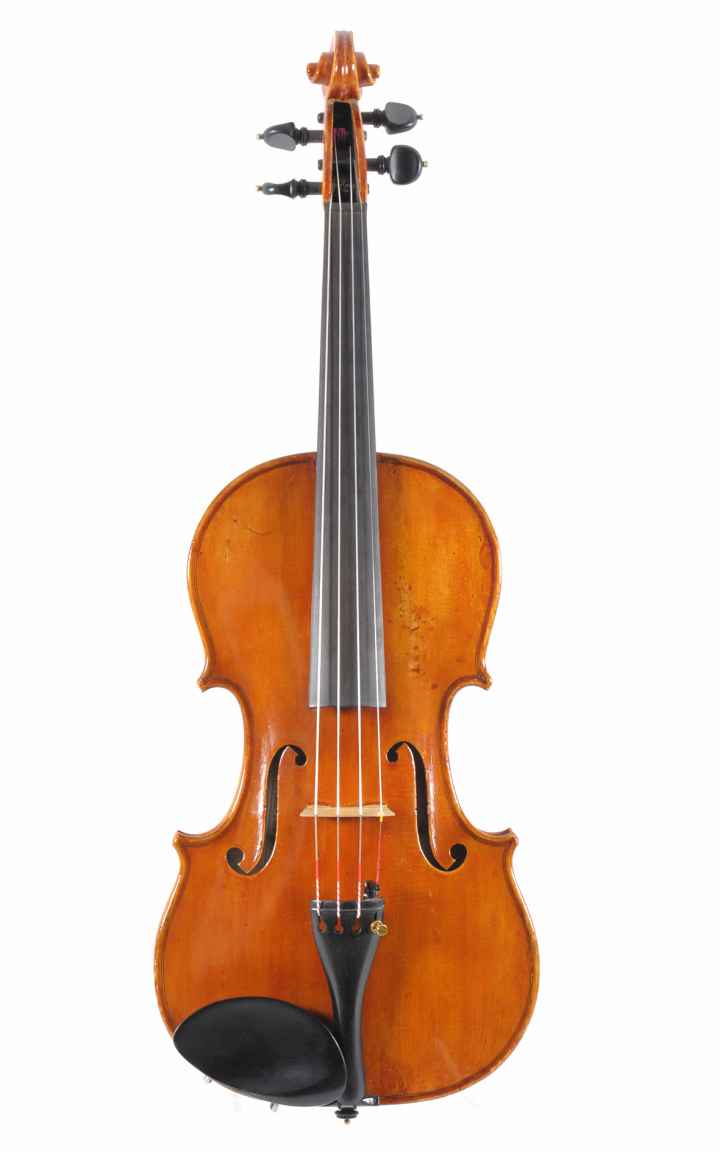
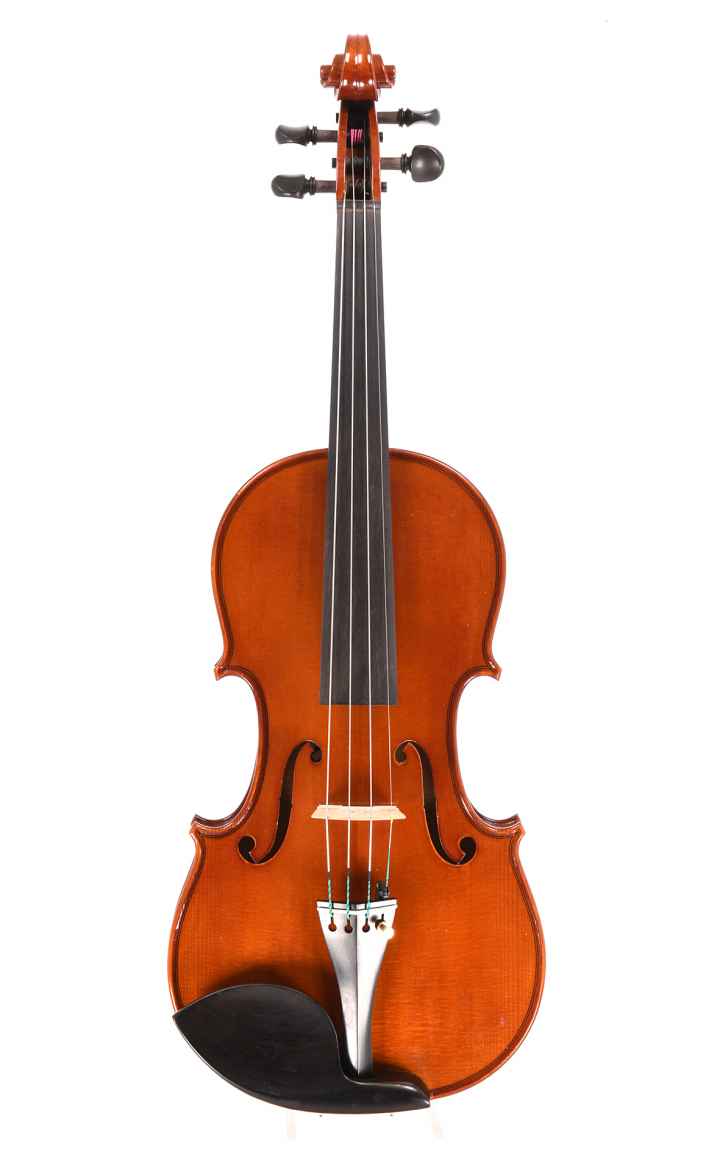
Cremona violin making as the early zenith of Italian violin making in its classic Cremonese phase of Stradivari, Guarneri and Amati
Cremona is the proverbial city of Italian violin making – no other place has written more significant chapters in the history of violin making than the home of the greatest historical masters of old Italian violin making. How did Antonio Stradivari, Giuseppe Guarneri del Gesù and Nicolò Amati revolutionize their art – and how did Cremona violin making contribute to the development of the modern violin?
Cremona violin making holds a distinctive position among the towns where classical Italian violin making flourished, a process whose earliest origins can never be fully explored. The reason for the special status of Cremona in violin making is less the fact that the Cremonese craftsman tradition has a long and time-honoured standing there, since other towns can also look back on a tradition of comparable — if not longer — history. Instead, Cremona is remarkable because from early on Cremona violin making reflected mastery and had an enduring normative influence. 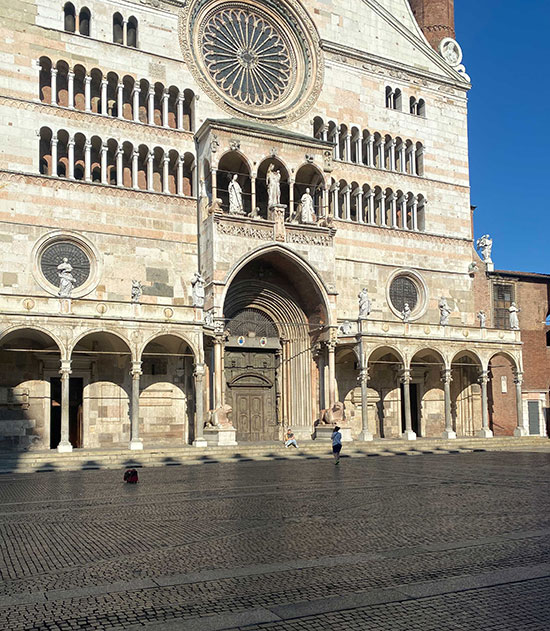
The history of local artisanry in Cremona violin making is simultaneously the history of the earliest days of violin making, the study of which always begins with examining the classic Cremona violins. The artistic and technical standards defined by the famous violin makers Amati, Stradivari and Guarneri del Gesù in the approximately 150 years of their work remain unchallenged to this day.
Italian violin making in Cremona:
- Cremona as the early zenith of Italian violin making
- The golden age of Cremona: Italian violin making in the era of Amati and Stradivari
- Italian violin maker Guarneri the luthier: An exceptional figure in classic Cremona violin making
The golden age of Cremona: Italian violin making in the era of Amati and Stradivari
The figure at this pinnacle of Cremona violin making is Nicolo Amati (1596-1684) of Cremona, whose instruments are characterized by their size and their highly arched tops. As one of the first Cremona violin makers, Nicolo Amati used his model to produce a large but sweet sound which helped Cremonese violins to distinguish themselves from those of the da Salo and Maggini school of Bresica for the first time. Nicolo Amati's greatest student, Antonio Stradivari (1648/49-1737), spent half of his career following in the footsteps of his master before he began to build smaller violins with a lower arch and a more powerful sound.  As the rigours of soloist performance increased over the course of musical history, Antonio Stradivari's violins became more and more of a template for other copies. Even in light of the long-term dominance of the Stradivari violin, however, the Amati violin is in no way to be regarded as an obsolete predecessor; for centuries it remained a viable and widely imitated style, and it increased the artistic possibilities for all generations of violin makers to follow.
Guarneri: An exceptional figure in classic Cremona violin making
The most interesting person among the great violin makers of Cremona, however, is most likely to be Joseph Guarnerius del Gesù (1698-1744); his short life is steeped in legend and produced an oeuvre of fewer than 200 violins, a slim yield. In comparison to the constant perfection of the Stradivarius workshop, Giuseppe Guarneri's violins are noteworthy in part due to some of their inadequacies in craftsmanship: it would seem that Guarneri del Gesù was so radical and uncompromising in his pursuit of the ideal of a large sound that he was glad to overlook a few "incidental" aesthetic issues. The sound he created confirms his approach, however, and the effects of his violins have continued to have a lasting impact, even to this day. For example, Nicolo Paganini's favourite Guarneri del Gesu violin was one the legendary soloist reverently dubbed "il cannone." It was repeatedly copied by the great Jean Baptiste Vuillaume, and today one of these copies is played by the young virtuoso artist Hilary Hahn.
Related articles:
Stradivari's heirs: list of contemporary violin makers in Cremona
Italian violin makers - key facts and figures
Eric Blot, expert of Cremona and Italian violin making
Ente Triennale Cremona and other international violin making competitions
Contemporary violin makers - the modern artisan elite
Markneukirchen: violin making in “German Cremona”
Mittenwald: violin making “in the midst of the forest”