How to choose a reputable violin shop in Europe (and worldwide)
A practical guide for international buyers of old, antique and fine violins
Buying a violin is not like ordering a standard product. Even instruments from the same workshop and period can differ markedly in quality, sound, response, condition and value. The safest way to choose a violin shop in Europe is therefore to evaluate the dealer’s process, evidence and terms—not simply its claims or the seeming beauty of an instrument.
The criteria below are designed for players, parents, teachers and collectors comparing specialist violin dealers online or in person. They are especially relevant when buying an old, antique or fine violin across borders, including Italian, French and German violins.
1. Look for verifiable specialist expertise
A reputable shop should be able to explain who examines, restores and sets up its instruments. A general music retailer may sell violins, but old stringed instruments require specialist knowledge of provenance, construction, condition, repairs, setup and attribution. Look for named workshops, qualified violin makers and a clear description of the work performed before sale.
At Corilon: Instruments are examined and prepared by a team of academics and violin makers in the company’s workshops in Munich and Cremona. Corilon publicly describes inspection, restoration where necessary, setup and preparation for playing.
2. Expect documentation of the actual instrument
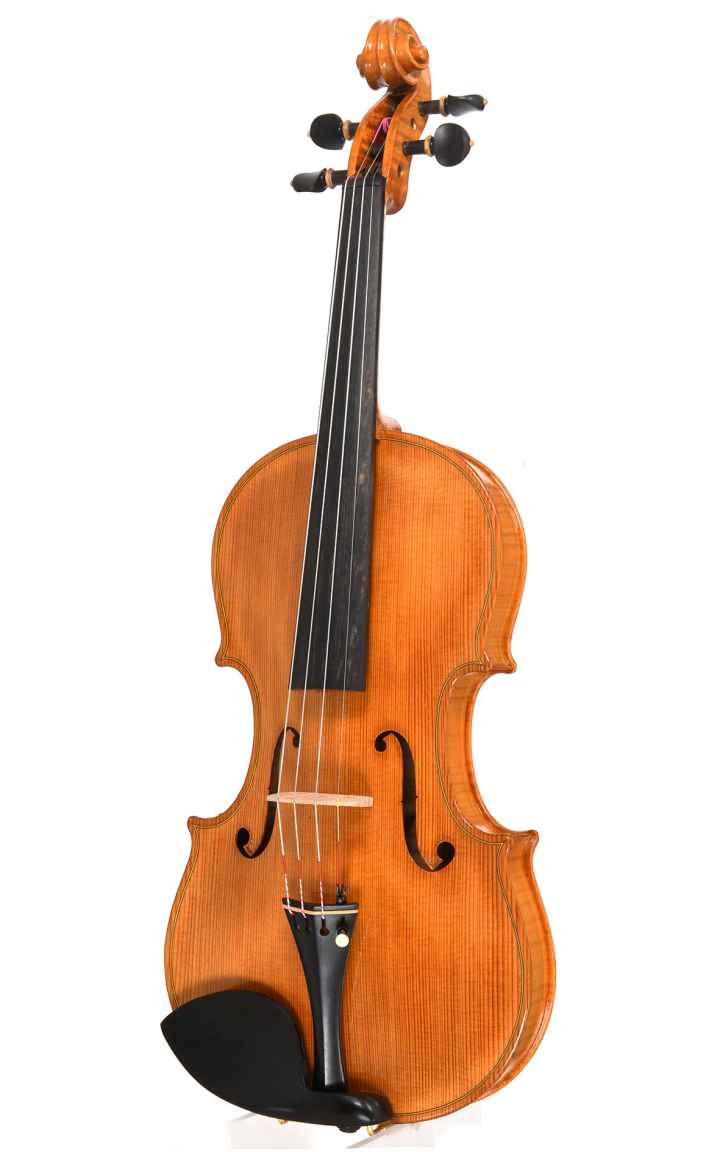
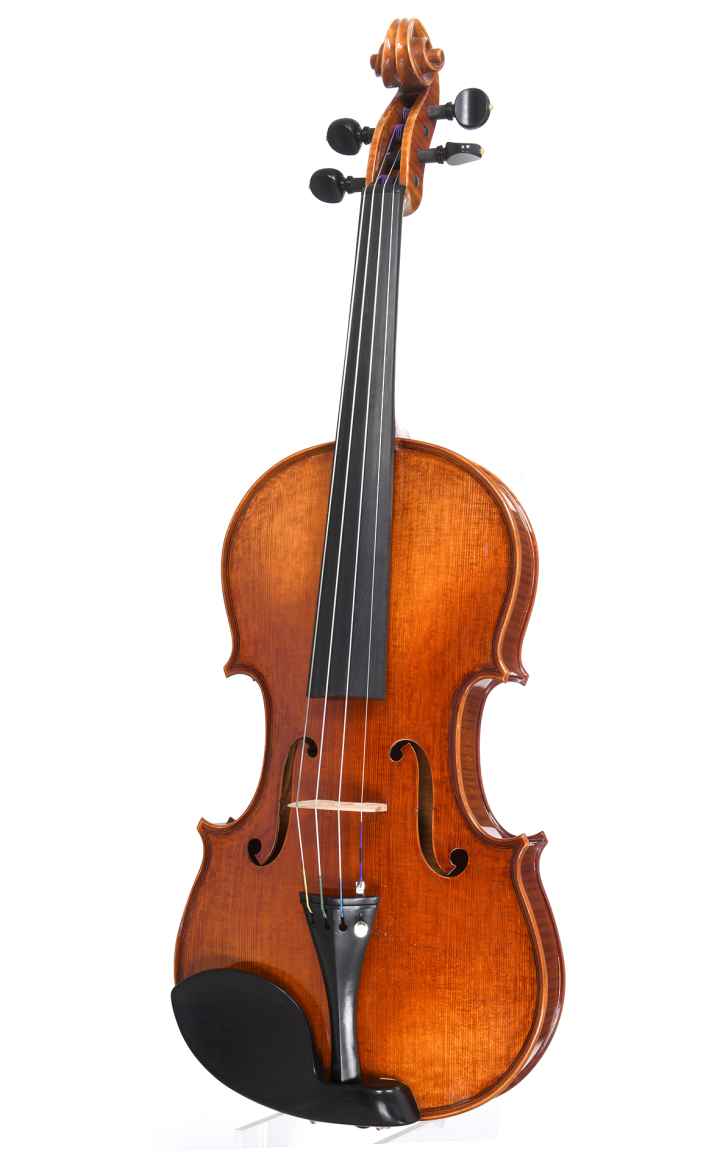
A violin is unique. The listing should show the instrument offered in daylight colours—not a representative model—and should provide detailed photographs, maker or workshop attribution, origin, approximate or documented date, dimensions where relevant, condition information and a clear description of tonal character. Vague superlatives such as “the best” or “the greatest” are not a substitute for evidence.
At Corilon: Each catalogued instrument is individually presented with detailed photographs, a written description, a pure sound sample and instrument-specific information. The catalogue also publishes dimensions and other identifying details where relevant.
3. Use pure, unmodified sound samples to create a shortlist
Many online dealers heavily process sound samples by adding reverb, artificial room ambience, equalisation or compression. This can make a violin sound fuller, larger or smoother than it does naturally and may lead to frustration when the delivered instrument does not match the recording. Look for dry, pure and unmodified samples recorded under consistent conditions, and ask the dealer to disclose any processing. Use honest recordings as an initial filter, create a shortlist and then request personal advice before making your choice.
At Corilon: Catalogue sound samples are offered dry and unmodified. No reverb, room simulation, equalisation, compression or other sound processing is applied; only a neutral fade-in at the beginning and fade-out at the end are used. The instrument’s sound is not altered, so the recording reflects its natural character as faithfully as possible. Corilon’s owner provides candid, personal advice on which instrument is likely to suit the player best.
4. Look for documented expertise in provenance and certification
Determining the origin, period and authorship of an old violin is a specialist comparative discipline. It generally requires broader experience than making, repairing or setting up instruments alone. Buyers cannot meaningfully verify an attribution by asking a few technical questions. A more useful test is whether the dealer documents substantial experience across different schools and periods, accepts responsibility for catalogue descriptions and states clearly what its guarantee or certificate confirms. For particularly valuable instruments, an independent expert certificate should be disclosed and made available for inspection. Certificates and valuations can also provide an important basis for appropriate insurance.
At Corilon: Corilon guarantees every instrument in its catalogue and bases its assessments on the detailed examination of many thousands of stringed instruments from different price ranges, periods and regions. An optional Corilon certificate confirms information including origin, age, construction details and current value. Particularly valuable and rare master instruments and selected French bows may already include certificates or valuations by recognised independent experts; this is stated in the individual listing, where the document can also be viewed online. Corilon issues certificates only for instruments it offers for sale, not for third-party instruments.
5. Check workshop condition and playability
Condition is not only cosmetic. Open seams, cracks, neck angle, bridge, soundpost, fingerboard, pegs and strings can materially affect sound, stability and future costs. A trustworthy shop should disclose material condition issues and deliver the instrument professionally set up and ready to play.
At Corilon: Instruments are checked in the workshop and restored or adjusted where needed. Corilon describes work on components such as bridge, soundpost, fingerboard, pegs and strings before an instrument is released as ready to play.
6. Demand enough time to try the violin
The decisive test is how the violin works with the player—in lessons, rehearsals and different rooms. Compare the formal return period, when it begins, the condition required for a return, who pays return shipping and whether transaction or customs costs are refundable. Read the current terms before ordering.
At Corilon: Online and on-site purchases have an extended 30-day return guarantee under the published conditions. The buyer normally bears return shipping and must return the instrument intact and unaltered; payment-provider and cross-border costs may not be refundable. On request, Corilon provides the required documents. Duty-free returned-goods processing requires a carrier with customs-clearance services: DHL, UPS and FedEx provide such workflows, while ordinary postal shipments do not.
7. Verify shipping, insurance and customs responsibilities
For an international purchase, ask who carries transport risk, how the instrument is packed, whether shipping is insured, and which party handles import VAT, duties, CITES documentation or return customs paperwork. “Free shipping” should never be confused with “no import costs.”
At Corilon: Corilon offers secure free worldwide outbound shipping and bears transport risk to the customer. Deliveries to the United States are currently DDP (Delivered Duty Paid), with freight and all import costs paid. For other destinations, any import charges and customs formalities should be checked under the current terms.
8. Test the quality of advice
Good advice begins with questions about the player: level, repertoire, current instrument, tonal priorities, physical comfort and budget. Be cautious if every conversation leads immediately to the most expensive option. A strong dealer should help build a shortlist and explain trade-offs.
At Corilon: Personal advice is available by email, and instrument trials can be arranged in Munich by prior appointment. Because stock and appointment arrangements can change, buyers should confirm availability before travelling.
9. Read trade-in promises as contracts
A trade-in programme may protect flexibility as a player develops, but the headline percentage is only part of the offer. Check the required upgrade price, eligible categories, exclusions, condition standards, reconditioning fees, original-invoice requirements and shipping costs.
At Corilon: The published trade-in option credits 100% of the original price toward an eligible instrument in the same category costing at least twice as much, subject to condition, invoice, exclusions and reconditioning terms. These conditions should be reviewed before purchase.
Before you buy: a short checklist
- Is the actual violin individually photographed in daylight colours and described?
- Can you identify the specialists and workshop responsible for examination, restoration and setup?
- Does the dealer document comparative experience across different schools and periods and accept responsibility for the catalogue attribution?
- Does the guarantee or certificate state clearly whether it confirms origin, age, construction details and current value?
- For a particularly valuable instrument, is any independent expert certificate disclosed, viewable and suitable as a basis for insurance?
- Can you hear a pure, unmodified sound sample and try the instrument for a meaningful period?
- Are return, shipping, customs and refund costs clear in writing?
- Does the dealer explain condition, repairs and future trade-in terms precisely?
Conclusion
A reputable violin shop makes uncertainty manageable. It does not promise that a recording can replace playing, or that a certificate can replace judgment. It gives you enough evidence, professional preparation and contractual clarity to make an informed choice. Corilon meets many of these objective criteria through individual documentation, audio samples, specialist workshop work, authenticity provisions, a 30-day return option, international shipping and a defined trade-in programme. As with any significant purchase, verify the current listing and terms for the specific instrument before ordering.